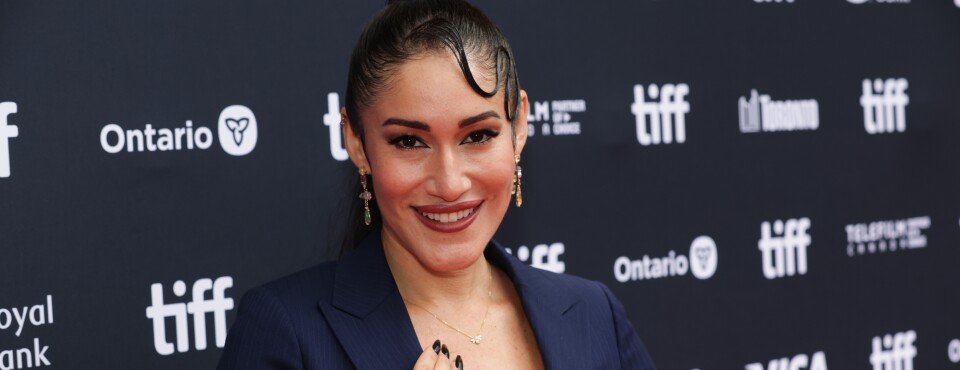
Filmmaker James Cameron and Twentieth Century Fox Film Corp. based the likeness of an “Avatar” character on the features of indigenous actress Q’orianka Kilcher without her permission, she said in a lawsuit filed Tuesday.
Another article on the same topic goes into more detail and is actually pretty damning to James Cameron. He directly admitted to using her likeness, multiple times.
Whether he admitted it or not, unless she’s gone through the process of actually trademarking her chin shape (which I doubt) it’s not going to be nearly a unique enough feature to waste the courts time with.
The only question the courts have to ask is if there is a reasonable chance that a “viewer” could recognize that as her chin when watching the movie and did it do anything to her reputation as a result. The answer of course is no. No one would have EVER known it as her if Cameron hadn’t mentioned it in passing.
Is there a law that establishes the definition of likeness and is it entitled to any rights?
Where is the limit that separates something similar to something else entitled to anything protected by the law?
Where is the line drawn ?
I’m sure there’s something, but personally I can’t imagine a law specifying geometry & texture similarity percentiles and a reproducible analysis procedure.


I’m guessing she’s either:
a) hoping Cameron and his lawyers go for a quick settlement because they figure it would be cheaper than going to court. Or…
b) Stirring up shit to get her name in the media to bolster a career that has so far been largely B-level supporting roles and guest-spots.
Another article on the same topic goes into more detail and is actually pretty damning to James Cameron. He directly admitted to using her likeness, multiple times.
Post: https://lemmy.radio/post/13196328
Article: https://variety.com/2026/film/news/james-cameron-sued-avatar-qorianka-kilcher-1236740068/
It honestly seems like someone who was taken advantage of and is trying to get what she is entitled to.
Entitled to what exactly? Her chin shape?
Whether he admitted it or not, unless she’s gone through the process of actually trademarking her chin shape (which I doubt) it’s not going to be nearly a unique enough feature to waste the courts time with.
The only question the courts have to ask is if there is a reasonable chance that a “viewer” could recognize that as her chin when watching the movie and did it do anything to her reputation as a result. The answer of course is no. No one would have EVER known it as her if Cameron hadn’t mentioned it in passing.
Is there a law that establishes the definition of likeness and is it entitled to any rights?
Where is the limit that separates something similar to something else entitled to anything protected by the law?
Where is the line drawn ?
I’m sure there’s something, but personally I can’t imagine a law specifying geometry & texture similarity percentiles and a reproducible analysis procedure.