

While Britain participated in the slave trade, they went out of their way to not do so in Britain; the slaveholders kept their slaves abroad and out of sight, in places where the laws of civilisation which rule such institutions to be obscene are waived. (Sugarcane plantations in the Caribbean were one such place.) And it was impolite to inquire too hard about the sources of fortunes that built stately homes.
The difference being that when the N-word was uttered in Britain, it was belittling and condescending in an exoticising way, like a colonial-era picture book of funny foreigners in their traditional costumes. In America, however, it had a more immediate edge of aggression and violence, implying an other that’s here rather than far away, and firmly below the speaker in the established racial hierarchy, and who must be kept there using tools including designating them as a (N-word).




















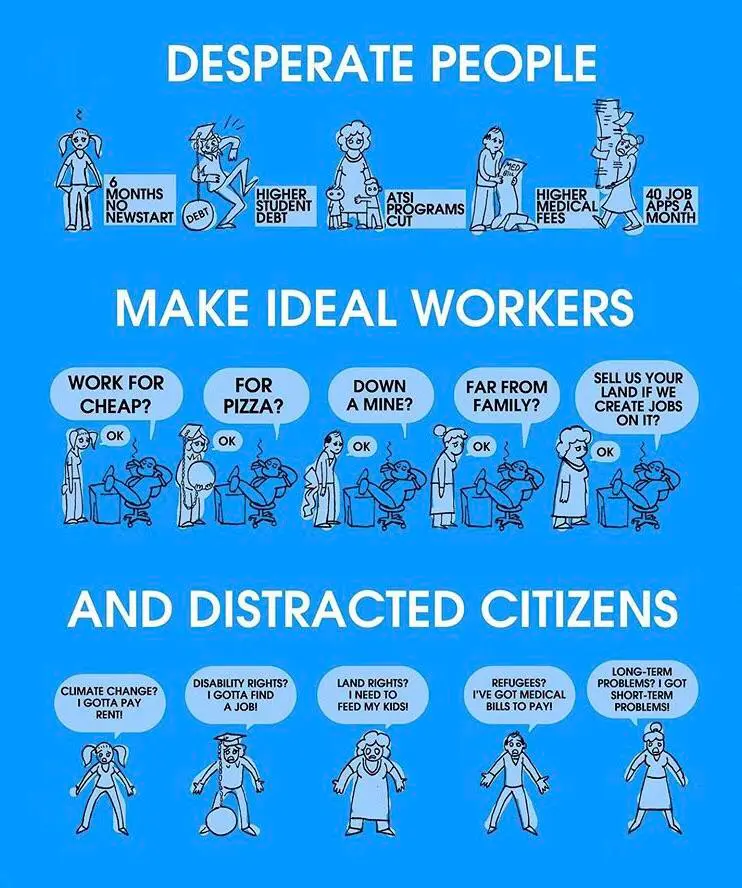



Compulsory voting doesn’t mean you have to vote: it means you have to show up or have a good excuse to not have done so. Once you show up, you can lodge a blank ballot, write “FUCK THEM ALL” on the paper, draw a willy on it or whatever. Informal votes, as they’re known, are counted and, while they don’t decide who wins, they’re a gauge of dissatisfaction (a certain baseline amount is expected, though variation from that can indicate changes in public sentiment).
From an individual voter’s point of view it may seem pointless and annoying, though looking at it across the system, compulsory voting changed the dynamics of elections by eliminating the advantage of playing to one’s base to boost turnout. The result, as seen in jurisdictions such as Australia, is less extremism as parties tend to aim to appeal more to the broad public.